|
View this newsletter online |

|
|
|
KeyWay
April 15, 2026
|
|
|
|
This Week’s Program: Bill MarianesFriday, April 17, 2026 Join us this Friday as we welcome Bill Marianes, a Rotarian, attorney, and thought leader on stewardship and leadership. Bill is the founder of Stewardship Calling, a ministry dedicated to helping individuals and organizations align purpose with action through principled leadership and disciplined execution. Bill brings decades of experience as a senior law firm partner, where he advised on complex transactions and organizational strategy, alongside a parallel career guiding churches and nonprofits in governance, financial stewardship, and long-range planning. He has trained and consulted with hundreds of organizations across the country and is widely known for translating complex ideas into practical frameworks that leaders can apply immediately. His perspective integrates vocation, service, and leadership in a way that reflects Rotary’s commitment to high ethical standards and Service Above Self. This program will offer practical insights on leadership, accountability, and aligning mission with execution across professional and community settings. Members are encouraged to attend and bring a guest for what promises to be a substantive and engaging program. 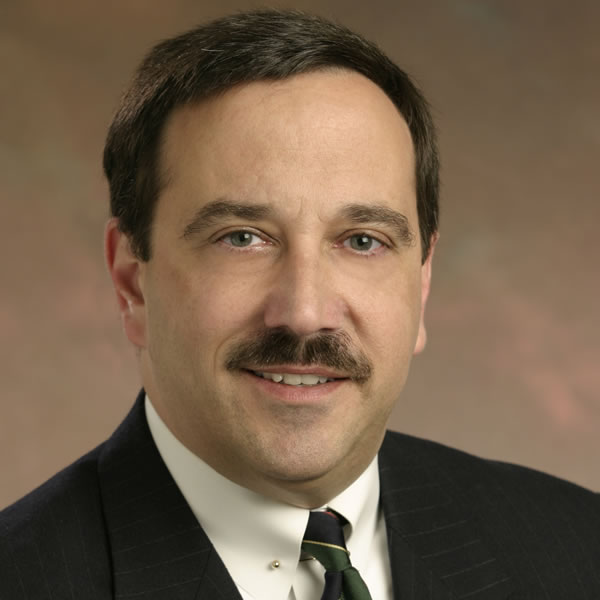
JOIN ONLINE: Zoom Link - Click here Meeting ID: 874 0116 4307 Passcode: Service | One tap mobile: +13052241968 |
KeyWay Report
Al Pearson on “Election Integrity – The Journey of Your Vote”April 10, 2026 AWER President-Elect Chris Hempfling lead the AWER meeting and introduced AWER member Mark Newman who presented Mr. Al Pearson, Esq., a constitutional law expert and member of Georgia Lawyers for the Rule of Law. Al presented a comprehensive overview of election law and administration in Georgia, focused on the integrity of Georgia's election system. Al provided detailed insights into how elections are conducted, the checks and balances in place to ensure accuracy, and the legal framework governing electoral processes. The discussion addressed widespread concerns about election fraud while emphasizing the robust safeguards that have been built into Georgia's voting system. Many Georgians do not trust the elections, especially the 2020 presidential elections: many claim “widespread voting fraud”. Legal challenges have been frequent for the last six years. But none of these challenges has presented evidence to support fraud allegations. Further, the accuracy of the official results, including three separate recounts of all ballots cast: an initial count, a hand recount audit, and a machine recount), all producing results within a tight range and well below the margin of victory. Al pointed Georgia poll workers operate under oath and are subject Georgia law which puts election administrators somewhat at a disadvantage because they cannot participate freely in public debate despite accusations against the veracity of their work, because to do so might cause them to face litigation, and their statements could be used against them in court. Meanwhile, critics can make any claims they want and change theories week to week without consequence or response from poll workers. This creates an imbalanced debate where those administering elections must remain somewhat wary to debate, but their attackers have unlimited freedom to make allegations. So-called “stuffing the ballot box – is impossible. Al Pearson explained: Each precinct has a list of all registered voters. If that list aggregates to 600 voters, that number is the maximum number of votes that can be cast, and no name not listed can receive a ballot. After elections, Georgia conducts 30-day reconciliation reports for every precinct, documenting any discrepancies and their causes. In 2020, Georgia also conducted a risk-limiting audit, which was expanded to a full statewide hand count, followed by a complete machine recount. All three counts produced results within a tight range and well below the margin of victory. No precinct can present a number of ballots cast that is larger than the number of registered voters, nor have a name of a voter that is not on the precinct’s official list of registered voters prior to election day. AWER member asked Marilyn Jackson: Where did those machines come from? I heard they came from Russia? Al Pearson said: “No, Dominion [an American company] is the manufacturer of those machines. They were designed by Dominion to solve a problem that many states had regarding voter verification. The issue about Russian origin has never come up in anything I've worked on, and I haven't seen evidence supporting that claim.” Al Pearson also emphasized that the concern about non-citizen voting is also misplaced, according to Pearson. Rather than focusing on voter registration, anyone concerned about non-citizens voting can examine the publicly available list of people who actually voted and independently verify citizenship using available databases. This would provide concrete evidence if the problem exists, but such verification efforts have not produced evidence of widespread non-citizen voting. Several proposed changes to Georgia election law are under consideration, most of which would restrict access to voting without improving accuracy. These include requirements for hand-marked ballots, additional documentation for voter registration, and measures targeting alleged non-citizen voting. Pearson noted that U.S. House of Representatives Speaker Mike Johnson was caught on camera saying that the SAVE Act would reduce the size of the electorate, which would benefit the Republican Party—essentially admitting what proponents think but usually don't say publicly. 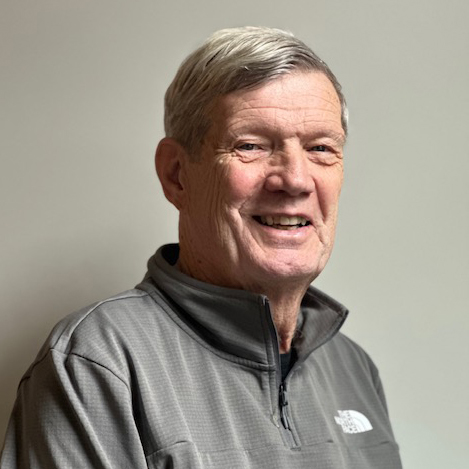
|
AWER Prayer Breakfast – Cancellation Seems BestThursday, May 7, from 7:30 AM to 8:30 AM. After careful consideration, I (Jared) am recommending that the club cancel this year's Prayer Breakfast, scheduled for Thursday, May 7. I do not have that bandwidth currently. Organizing this event requires a dedicated club member(s) to step forward as its leader, and despite the call for support in last week's newsletter, no one has done so. That is a meaningful lift, and it must be owned by someone with the time and energy to carry it. Last year's inaugural breakfast, led beautifully by AWE Rotarian Rose Caplan, was a genuine success and helped spark the formation of the West End/Westview Interfaith Council, now operating under the West End Merchants Coalition. That legacy is worth preserving. But a tradition only becomes a tradition when members invest in keeping it alive. If a member steps forward before the end of this week ready to own this event, I will gladly support that effort in the ways that I can. Absent that, I am recommending we cancel for 2025 and revisit the event as a club priority for next year, with a champion identified for the planning well in advance. |
Upcoming District 6900 Conference April 16–19, 2026 Rotarians are encouraged to attend District Conference to strengthen club operations and leadership capacity. Importantly, our club will reimburse members for registration costs, removing financial barriers to participation and reinforcing the expectation of leadership engagement at the district level. Every officer and director and member of the club should try to attend. The District Conference, April 16–19, 2026, offering a broader blend of fellowship, networking, and Rotary programming. Attendees can participate in optional activities such as a Lake Lanier boat cruise, pickleball, a nature walk, golf, and spa services, alongside conference sessions and district engagement. Registration is $400, with hotel accommodations available through the designated room block. Register here. |
RI Theme
April is Environment Month in RotaryApril is recognized by Rotary International as Environment Month, highlighting Rotary’s commitment to protecting natural resources and advancing long-term ecological health. This observance aligns local club activity with global efforts such as Earth Day , reinforcing the shared responsibility of environmental stewardship. For Rotary clubs, this theme is both philosophical and operational. It supports the development of programs, speakers, and service projects focused on conservation, sustainability, and community impact. Consistent with Rotary’s framework of service, environmental initiatives fall within Community Service and reflect the broader Object of Rotary to improve quality of life through responsible action. |
Calander, Agenda, Connections, & Four-Way Test Never a Bad Time to Catch Up (ON DUES)!District 6900 has updated to a new Stripe ACH payment process. The new method is more convenient and more secure. If you pay your dues via ACH (and you should!), go to YOUR PAGE on our club website (Click here) and use the Setup ACH button to relink your account. Should you encounter any problems, click the Contact Webmaster link in the page footer. 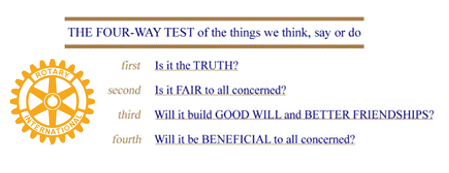
|
MEETINGS
April is Environment Month
|
BIRTHDAYS
| 4/22 |
Christopher Hempfling |
|
|
|
|
|
|
ROTARY CLUB OF
Atlanta West EndFridays, 12:15 pm
Georgia Tech Hotel & Conference Center*
800 Spring St NW
Atlanta, GA 30308
|
|
|
LEADERSHIP
| President |
Victoria Seals, PhD |
| President-Elect |
Christopher Hempfling |
| Immediate PP |
Jared Evans |
| Vice President |
Christopher Hempfling |
| Treasurer |
Rose Caplan |
| Secretary |
Neil Shorthouse |
| Public Image |
Jared Evans |
|
|
View this newsletter online |
|


