KeyWay Report
KeyWay Report on Leo Chancey's 2026 Legislative Recap
May 1, 2026
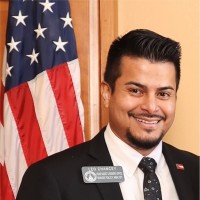
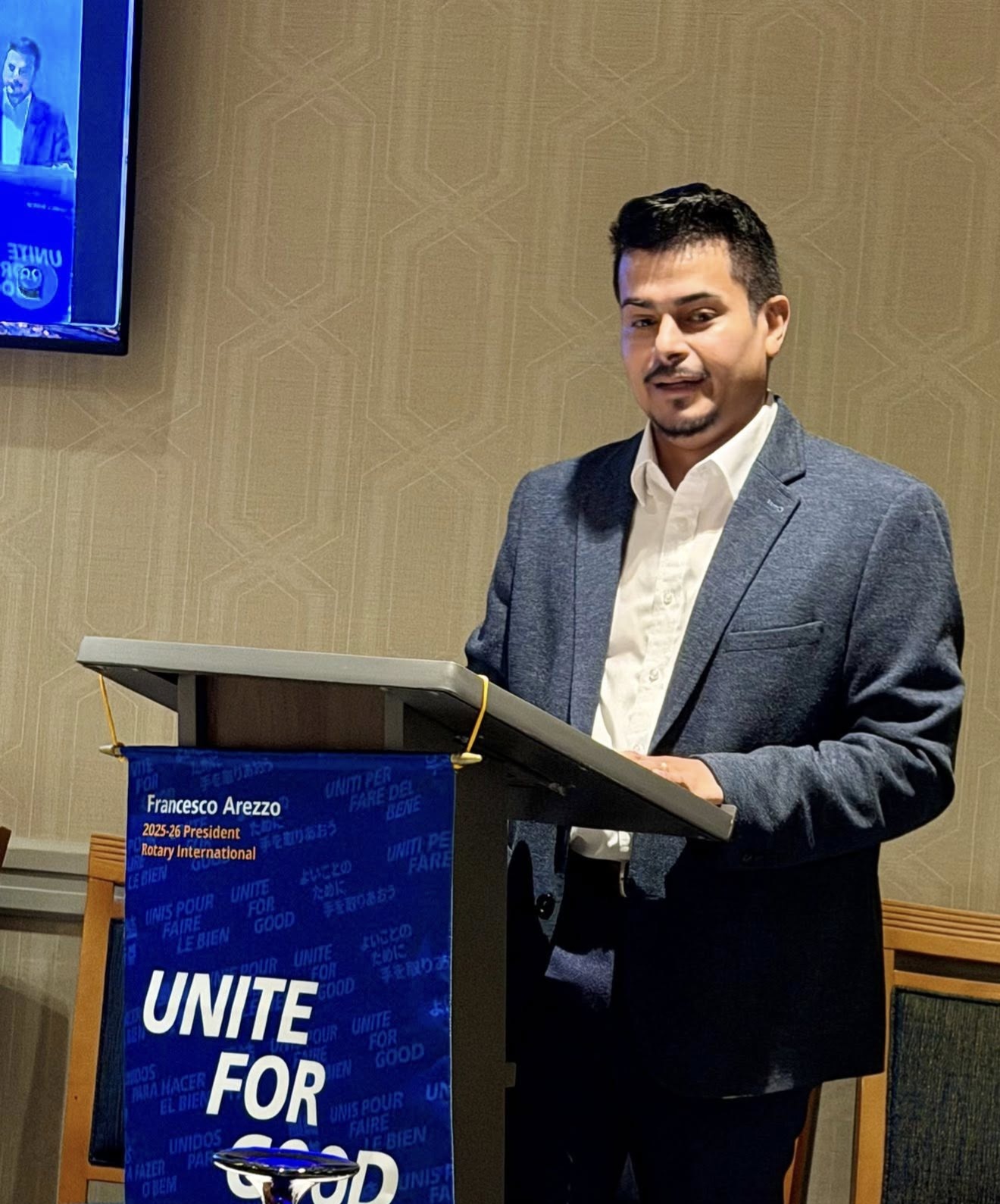
The Rotary Club of Atlanta West End welcomed Leo Chancey for a timely and substantive presentation examining the recently concluded 2026 Georgia legislative session and the State of Georgia’s FY 2027 budget. Leo brought both technical expertise and practical institutional insight to the discussion, drawing from 17 legislative sessions of experience advising leadership, navigating complex political environments, and advancing policy initiatives within the Georgia House of Representatives. He was introduced not only as a seasoned legislative and policy professional, but also as the club’s incoming Membership Director for Rotary Year 2026-2027.
Leo framed the presentation as both a legislative session recap and a practical guide to understanding how state-level policymaking affects communities throughout Georgia. He walked members through the annual budget development process, beginning with the Governor’s State of the State Address and budget recommendations, continuing through joint appropriations hearings, House and Senate negotiations, conference committee deliberations, and final passage before the July 1 start of the fiscal year. He explained that the FY 2027 process operated within a $38.5 billion revenue estimate, requiring both chambers to remain within that overall spending framework.
The discussion centered on five major investment priorities that shaped the legislative session: infrastructure, education and workforce development, healthcare access, tax relief, and justice and public safety. Leo provided detailed explanations of how budget priorities are translated into operational policy decisions and emphasized the role that legislative strategy and stakeholder engagement play in determining final outcomes.
Transportation and infrastructure funding represented a major area of investment. Leo highlighted approximately $805 million in new capital funding, including support for construction and renovation projects across Georgia’s colleges and universities, school safety improvements, and transportation infrastructure projects statewide. Members heard about funding directed toward Interstate 75 South congestion relief near McDonough, Highway 316 improvements, resurfacing projects, and broader maintenance efforts intended to strengthen Georgia’s long-term transportation capacity.
Education policy emerged as another central priority. Leo discussed the legislature’s substantial focus on early literacy, including a $100 million investment supporting literacy coaches and reading screeners for kindergarten through third grade students. He explained that the initiative was modeled in part on Mississippi’s rapid literacy gains over recent years. The presentation also examined workforce development efforts, including expansion of the Dual Achievement Program, which allows students to simultaneously pursue high school completion and technical college credentials.
Healthcare and disability services generated particularly thoughtful discussion among attendees. Leo reviewed the historic approval of 900 new waiver slots for individuals with intellectual and developmental disabilities, expanding access to community-based services such as in-home support, adult daycare, and independent living assistance. Members also heard about legislation supporting psychiatric services at regional trauma centers and expanded access to HIV prevention medication.
Tax policy and public safety reforms were also significant components of the session. Leo summarized the reduction of Georgia’s state income tax rate from 4.9 percent to 3.9 percent, increases in standard deductions and dependent exemptions, and the approval of one-time taxpayer refunds. Additional discussion addressed criminal justice reforms, HOA oversight legislation, school cell phone restrictions, protections against financial exploitation of seniors, and public safety legislation involving drones and service animals.
The question-and-answer portion of the program reflected strong member engagement and touched on topics including waiver services, automatic record sealing for first offenders, legislative transparency, and methods citizens can use to monitor pending legislation and budget decisions. Throughout the presentation, Leo emphasized the importance of understanding not only what policies pass, but how legislative strategy, coalition-building, and stakeholder engagement shape final outcomes.
The program aligned closely with Rotary’s commitment to informed citizenship, ethical leadership, and civic engagement. By translating complex legislative and budget matters into accessible public understanding, Leo provided members and guests with valuable insight into the processes shaping communities across Georgia.
May 7, 2026
Comments
This Year’s Posts:
- Apr 29: Register Now for RLI - June 20 Sessions Open
- Apr 20: Almost Time for RYLA!
- Dec 23: The “Big Beautiful Bill Act” and Charitable Giving
- Nov 30: "Discovery Rotary" - An Event for Prospective Rotarians Only
- Nov 5: Join Atlanta Metro's Pickleball for Polio Tournament
- Sep 29: Club of Excellence Awards 2024-2025
- Sep 21: Still Time to Create a Plan for World Polio Day – October 24!
- Aug 25: Get Ready for World Polio Day – October 24!
- Jul 3: Let's Grow Rotary Together: Don’t Miss the D6900 Membership Summit 1
- Jul 2: Let's Go Back to RYLA 2025! 1