KeyWay Report
Al Pearson on “Election Integrity – The Journey of Your Vote”
April 10, 2026
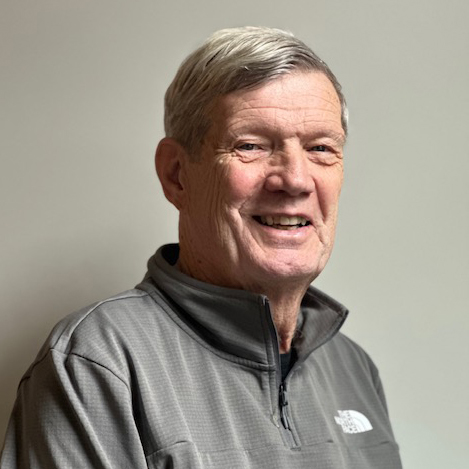
AWER President-Elect Chris Hempfling lead the AWER meeting and introduced AWER member Mark Newman who presented Mr. Al Pearson, Esq., a constitutional law expert and member of Georgia Lawyers for the Rule of Law. Al presented a comprehensive overview of election law and administration in Georgia, focused on the integrity of Georgia's election system. Al provided detailed insights into how elections are conducted, the checks and balances in place to ensure accuracy, and the legal framework governing electoral processes. The discussion addressed widespread concerns about election fraud while emphasizing the robust safeguards that have been built into Georgia's voting system.
Many Georgians do not trust the elections, especially the 2020 presidential elections: many claim “widespread voting fraud”. Legal challenges have been frequent for the last six years. But none of these challenges has presented evidence to support fraud allegations. Further, the accuracy of the official results, including three separate recounts of all ballots cast: an initial count, a hand recount audit, and a machine recount), all producing results within a tight range and well below the margin of victory.
Al pointed Georgia poll workers operate under oath and are subject Georgia law which puts election administrators somewhat at a disadvantage because they cannot participate freely in public debate despite accusations against the veracity of their work, because to do so might cause them to face litigation, and their statements could be used against them in court. Meanwhile, critics can make any claims they want and change theories week to week without consequence or response from poll workers. This creates an imbalanced debate where those administering elections must remain somewhat wary to debate, but their attackers have unlimited freedom to make allegations.
So-called “stuffing the ballot box – is impossible. Al Pearson explained: Each precinct has a list of all registered voters. If that list aggregates to 600 voters, that number is the maximum number of votes that can be cast, and no name not listed can receive a ballot. After elections, Georgia conducts 30-day reconciliation reports for every precinct, documenting any discrepancies and their causes. In 2020, Georgia also conducted a risk-limiting audit, which was expanded to a full statewide hand count, followed by a complete machine recount. All three counts produced results within a tight range and well below the margin of victory. No precinct can present a number of ballots cast that is larger than the number of registered voters, nor have a name of a voter that is not on the precinct’s official list of registered voters prior to election day.
AWER member asked Marilyn Jackson: Where did those machines come from? I heard they came from Russia? Al Pearson said: “No, Dominion [an American company] is the manufacturer of those machines. They were designed by Dominion to solve a problem that many states had regarding voter verification. The issue about Russian origin has never come up in anything I've worked on, and I haven't seen evidence supporting that claim.”
Al Pearson also emphasized that the concern about non-citizen voting is also misplaced, according to Pearson. Rather than focusing on voter registration, anyone concerned about non-citizens voting can examine the publicly available list of people who actually voted and independently verify citizenship using available databases. This would provide concrete evidence if the problem exists, but such verification efforts have not produced evidence of widespread non-citizen voting.
Several proposed changes to Georgia election law are under consideration, most of which would restrict access to voting without improving accuracy. These include requirements for hand-marked ballots, additional documentation for voter registration, and measures targeting alleged non-citizen voting. Pearson noted that U.S. House of Representatives Speaker Mike Johnson was caught on camera saying that the SAVE Act would reduce the size of the electorate, which would benefit the Republican Party—essentially admitting what proponents think but usually don't say publicly.
April 15, 2026
Comments
This Year’s Posts:
- Jun 30: Nominations for 2029-2030 District 6900 District Governor Are Open
- Jun 30: Nominations for 2029-2030 District 6900 District Governor Are Open
- Jun 30: Nominations for 2029-2030 District 6900 District Governor Are Open
- Jun 30: Atlanta West End Welcomes 2026–2027 Club Leaders
- Jun 30: Calander, Agenda, Connections, & Four-Way Test
- Jun 30: This Week's Program: NO MEETING
- Jun 26: Why Rotary Foundation Giving Matters
- Jun 26: RYLA 2026 - A Rave Review
- Jun 26: The Ides of June ... 2026!
- Jun 26: Update on Global Grant to End Spina Bifida
- Jun 26: Registration Open for the Teacher & Rotarian Workshop Luncheon
- Jun 26: District Investment Helps Transform Law Enforcement’s Fight Against Human Trafficking
- Jun 25: Atlanta Is Making History — And We Need YOU There
- Jun 25: Hear Tim Tebow Speak at The Rotary Human Trafficking Summit
- Jun 25: D6900 Rotary Youth Exchange Students Ready for a Year Abroad
- Jun 25: Polio at the Start of the Second Quarter of the 21st Century!
- Jun 24: GRSP Conclave Slated Aug. 21–23 in Savannah, Georgia!
- Jun 24: Roswell Rotary Continues Tradition of Leadership and Fellowship
- Jun 23: KeyWay Report: Our Lady of Perpetual Help Home
- Jun 23: Calander, Agenda, Connections, & Four-Way Test
- Jun 23: This Week’s Program: Rotary Installation Ceremony
- Jun 20: Peace Pole At The King Center
- Jun 20: Join the PolioPlus Society to Help End Polio
- Jun 19: Make Website Stories Work for Atlanta West End Rotary
- Jun 18: KeyWay Report: Our Lady of Perpetual Help Home
- Jun 18: This Week's Program: NO MEETING
- Jun 18: Calander, Agenda, Connections, & Four-Way Test
- Jun 18: Brief AWER Member Survey: Help Shape the New Rotary Year
- Jun 18: Rotary to Install Peace Pole at The King Center on June 20, 2026
- Jun 11: Brief AWER Member Survey: Help Shape the New Rotary Year
- Jun 11: KeyWay Report: Brandon Teal on YMCA Programs and Social Determinants of Health
- Jun 11: Calander, Agenda, Connections, & Four-Way Test
- Jun 10: This Week: Atlanta West End Rotary to Visit Our Lady of Perpetual Help Home on June 12, 2026
- Jun 3: June Is Rotary Fellowships Month
- Jun 3: KeyWay Report: StepStone Director LaShay Wilson Urges Trauma‑Informed Response to Foster Care
- Jun 3: This Week's Program: Brandon Teal, Associate Executive Director of the YMCA of Metropolitan Atlanta
- Jun 3: Calander, Agenda, Connections, & Four-Way Test
- Jun 2: Atlanta West End Rotary at Atlanta Streets Alive — June 14, 2026
- Jun 1: RYLA or Bust ...
- May 31: Welcome New Rotary Clubs
- May 31: North Fulton Hosts 24th Annual Prayer Breakfast
- May 30: Exciting Events Happening in June!
- May 30: Leadership Changeover Month- Unite(d) for Good
- May 30: Atlanta Southern Crescent Hosts Women in Rotary
- May 30: Four Georgia Students Head to Norway, Denmark
- May 28: Calander, Agenda, Connections, & Four-Way Test
- May 28: Atlanta West End Rotary at Atlanta Streets Alive — May 31
- May 28: KeyWay Report on Sonia Hantman
- May 28: This Week's Program: LaShay Wilson, Executive Director of StepStone Family & Youth Services of Georgia
- May 27: Columbus Celebrates Laws of Life
- May 27: Why We Do All This!
- May 27: Roswell Celebrates Our Veterans
- May 27: Dunwoody Supports Special Olympics
- May 27: Brookhaven Grants Support Local Community
- May 25: North Cobb Runs for Hope; Cooks End of School Dinner
- May 25: Smoke on the Lake Benefits Charities Far and Wide
- May 25: Clubs Collaborate to Pack 1700 Weeks of Meals
- May 23: Registration Open for the 2026-2027 Contest Year
- May 21: Atlanta West End Rotary at Atlanta Streets Alive — May 31
- May 21: May is Youth Service Month
- May 21: This Week's Program: NO MEETING
- May 21: Calander, Agenda, Connections, & Four-Way Test
- May 21: KeyWay Report on Sonia Hantman
- May 20: Griffin Presents $5,000 J. Henry Walker III Scholarship
- May 19: Join Rotary Friendship Exchange to India - December 2026
- May 19: Moultrie Honors Students Headed to Military Service
- May 13: Calander, Agenda, Connections, & Four-Way Test
- May 13: This Week's Program: Sonia Hantman
- May 11: May is Youth Service Month
- May 11: KeyWay Report on Berny De La Garza
- May 7: May is Youth Service Month
- May 7: KeyWay Report on Leo Chancey's 2026 Legislative Recap
- May 7: This Week's Program: Mystery Topic
- May 7: Calander, Agenda, Connections, & Four-Way Test
- May 3: Two Service Hero MVPs
- May 3: Recognizing Our Rising Stars and Our Above and Beyond Award Winners
- May 3: Amy Benton Receives Follow Me Award
- May 2: Recognizing Our Membership Growth Stars
- May 2: Mike Mudd, Citation for Meritorious Service
- May 2: Thanks to Our Top Foundation Supporters
- May 2: Celebrating Our Service Project Winners!
- May 2: Nick Ramey Named Rotarian of the Year; Public Image Award Winners Honored
- May 2: Congratulations Sheffield Award Winners and All-Around Best Clubs!
- Apr 30: Sometimes It's Just Extra Special!
- Apr 29: Learn from Laws of Life Essay Winners
- Apr 29: Joe Jones and D6900 Highest GRSP Per-Capita Giving Clubs Honored
- Apr 29: Roswell Continues Long-Standing (or Not Standing) Tradition
- Apr 29: Register Now for RLI - June 20 Sessions Open
- Apr 29: Thanks for a Great District Conference!
- Apr 29: Let's Start By Celebrating Youth Service Month!
- Apr 29: What's New at North Cobb Rotary?
- Apr 29: Roswell Celebrates Students and Teachers of the Year
- Apr 29: How Your Rotary Foundation Contributions Unite the World
- Apr 28: This Week's Program: Leo Chancey
- Apr 27: May is Youth Service Month
- Apr 27: Calander, Agenda, Connections, & Four-Way Test
- Apr 27: KeyWay Report on April Club Assembly
- Apr 23: April is Environment Month in Rotary
- Apr 23: KeyWay Report on Bill Marianes
- Apr 23: This Week’s Program: Club Assembly this Friday
- Apr 23: Calander, Agenda, Connections, & Four-Way Test
- Apr 20: Almost Time for RYLA!
- Apr 15: April is Environment Month in Rotary
- Apr 15: Calander, Agenda, Connections, & Four-Way Test
- Apr 15: Upcoming District 6900 Conference April 16–19, 2026
- Apr 15: AWER Prayer Breakfast – Cancellation Seems Best
- Apr 15: Al Pearson on “Election Integrity – The Journey of Your Vote”
- Apr 15: This Week’s Program: Bill Marianes
- Apr 8: AWER Prayer Breakfast – Call for Volunteers
- Apr 8: Calander, Agenda, Connections, & Four-Way Test
- Apr 8: April is Environment Month in Rotary
- Apr 8: Upcoming District 6900 Events: Learning Assembly and District Conference
- Apr 8: Brandon Butler, owner of Trust Business Performance Training
- Apr 8: This Week’s Program: Al Pearson
- Apr 7: Upcoming District 6900 Events: Learning Assembly and District Conference
- Apr 7: Calander, Agenda, Connections, & Four-Way Test
- Apr 7: April is Environment Month in Rotary
- Apr 7: Brandon Butler, owner of Trust Business Performance Training
- Apr 7: This Week’s Program: Al Pearson
- Mar 30: Peachtree City, Tyrone and Senoia Make Beds for Children
- Mar 30: Almost Time for Fun and Fellowship at Lake Lanier!
- Mar 30: North Cobb Rotarians On the Go!
- Mar 30: Join Rotary Friendship Exchange to India - December 2026
- Mar 30: Announcing Your 2025–26 Georgia Laws of Life Essay Contest School Winners
- Mar 30: A Season of Growth, Service, and Connection
- Mar 27: North Cobb Competes in Adult Spelling Bee to Support Students
- Mar 26: Up and Over!
- Mar 26: Inspire Generosity – Giving by Receiving
- Mar 26: Engage Rotary Means Business to Grow Membership
- Mar 26: Columbus Partners with Jordan Vocational High School
- Mar 25: Three Columbus Clubs Partner to Raise $50,000
- Mar 25: South DeKalb Dedicates Peace Pole
- Mar 25: Vinings Downhill 5K Fuels Nearly $100,000 in Support for Children’s Charities
- Mar 25: Roswell Hosts 31st Roswell Relays Track Meet
- Mar 25: Roswell: Celebrating 75 Years of Making a Difference
- Mar 20: A Night of Gratitude: Peachtree City Celebrates Rotary Foundation Major Donors
- Mar 20: Buckhead Holds Paws in the Park, a Family of Service Day
- Mar 20: Buckhead Serves Dinner at Shepherd Center
- Mar 20: Celebrating an Atlanta Southern Crescent Rotarian
- Mar 20: Atlanta Southern Crescent Enjoys Pizza Night
- Mar 19: One Day for RYLA
- Mar 19: Join Senoia's "Aim for Impact" Charity Clay Shoot
- Mar 18: Leonard Pope
- Mar 18: Don Schewe on The Information Explosion
- Mar 18: This Week’s Program: GA Secretary of State Brad Raffensperger
- Mar 18: Calander, Agenda, Connections, & Four-Way Test
- Mar 18: Day Trip to the Equal Justice Initiative Sites
- Mar 18: March Focus: Water, Sanitation, and Hygiene
- Mar 12: Olympian Ms. Maritza McClendon
- Mar 12: This Week’s Program: Don Schewe on the Evolution of Information
- Mar 12: Calander, Agenda, Connections, & Four-Way Test
- Mar 12: March Focus: Water, Sanitation, and Hygiene
- Mar 5: This Week’s Program: Maritza McClendon, Olympic medalist, leader, and advocate for youth empowerment
- Mar 5: Community Engagement Opportunity: Atlanta Streets Alive 2026
- Mar 5: Calander, Agenda, Connections, & Four-Way Test
- Mar 5: March Focus: Water, Sanitation, and Hygiene
- Mar 3: Club Assembly
- Mar 1: Welcome to the New Rotaract Club of Southern Crescent!
- Feb 28: Here's to Water, Service and Camaraderie!
- Feb 28: A Lot to Celebrate: Alpharetta Giving, Rotary's Birthday and PELS!
- Feb 28: Griffin Daybreak Joins Read Across America
- Feb 27: Come for Rotary; Stay for Fun!
- Feb 27: Roswell's Family of Rotary Committee
- Feb 27: RLI Movement Continues to Grow 1
- Feb 26: Dunwoody Rotarians Help Anchor Place Respite Celebrate Valentine's Day
- Feb 26: Columbus Installs Peace Pole
- Feb 26: Roswell Hosts Conference for Emerging High School Leaders
- Feb 25: North Cobb ... From McKenna Farms to Kennesaw to Women's Extension
- Feb 25: Partnering with Kennesaw Capstone and Judging 2026 Essays
- Feb 25: Paul Harris Society Welcomes New Member 1
- Feb 25: North Fulton Brightens Seniors' Valentines Day
- Feb 25: Alpharetta Celebrates Annual Golden Gala
- Feb 25: Alpharetta Named as Shelter Box Hero
- Feb 25: Alpharetta Polar Plunge Raises Big Money
- Feb 25: Buckhead Pairs School Kids and Shelter Dog Projects
- Feb 25: Atlanta West End Strengthens Youth Through School Snack Initiative
- Feb 25: Rotary Means Business
- Feb 23: Join a Montgomery Day Trip to Equal Justice Initiative Legacy Sites - Sunday, March 15, 2026
- Feb 23: February Focus: Peace and Conflict Prevention
- Feb 23: Calander, Agenda, Connections, & Four-Way Test
- Feb 22: This Week’s Program: Annual Business Meeting
- Feb 20: Rotary Club of Columbus Completes Meaningful Project in Meeting
- Feb 20: Brookhaven Accepting Grant Applications
- Feb 20: Join Our Friendship Exchange Trip to India
- Feb 20: LUCKY to have RYLA!
- Feb 18: February Focus: Peace and Conflict Prevention
- Feb 18: AWER Annual Business Meeting - February 27, 2026
- Feb 18: Mr. Peter Ellis, Special Agent in Charge of the FBI Atlanta Office
- Feb 17: Atlanta Southern Crescent Delivers Valentines
- Feb 17: This Week’s Program: Mr. Blake Elsberry, Regional Director, former Sole Commissioner of Chattooga County
- Feb 17: Calander, Agenda, Connections, & Four-Way Test
- Feb 10: February Focus: Peace and Conflict Prevention
- Feb 10: Montgomery Day Trip to Equal Justice Initiative Legacy Sites - Sunday, March 15, 2026
- Feb 10: Calander, Agenda, Connections, & Four-Way Test
- Feb 10: Mr. Tharon Johnson of Paramount Consulting Group
- Feb 10: This Week’s Program: Peter Ellis, FBI, Atlanta Office
- Feb 4: AWER Annual Business Meeting - February 27, 2026 [CLONED]
- Feb 4: Roswell Adds Gratitude Wall to Weekly Newsletter
- Feb 4: Roswell Recognizes Hometown Hero: Fire Division Chief Cavender
- Feb 4: GRSP’s Biral, Jin Honored Duo for Thomas Peace Awards
- Feb 4: North Atlanta Celebrates Don Millen, 58 Years of Service
- Feb 4: Whirlwind of Activity as We Unite for Good ... and for Fun!
- Feb 4: Once a Laws of Life Student - Now a UGA Bulldog
- Feb 4: Why We Give: Enduring Impact, Fellowship at Work
- Feb 4: The Foundation’s Work Continues to Reach Further
- Feb 4: Calander, Agenda, Connections, & Four-Way Test
- Feb 4: AWER Annual Business Meeting - February 27, 2026
- Feb 4: Hammonds House Museum Exhibit Opening: Beau McCall
- Feb 4: Quasandria Curry, Westside Works
- Feb 4: This Week’s Program: Tharon Johnson
- Feb 4: Griffin Daybreak Supports Backpack Food for Kids
- Feb 4: Hammonds House Museum Exhibit Opening: Beau McCall
- Feb 4: Calander, Agenda, Connections, & Four-Way Test
- Feb 4: AWER Annual Business Meeting - February 27, 2026
- Feb 4: Quasandria Curry, Westside Works
- Feb 3: This Week’s Program: Tharon Johnson
- Feb 2: Celebrating the Life of Will MacArthur 1
- Jan 29: Stocking Booker T. Washington High's Food Pantry
- Jan 29: Ms. Novella Tascoe, a healthcare executive, attorney, and entrepreneur
- Jan 29: AWER Annual Business Meeting
- Jan 29: Calander, Agenda, Connections, & Four-Way Test
- Jan 29: This Week’s Program
- Jan 29: Clayton County Issues End Polio Now Proclamation
- Jan 26: North Cobb Rotarians Busy Making a Difference!
- Jan 26: Join the RLI Learning Opportunity: February 21 in Marietta 1
- Jan 26: Vinings Cumberland Cleans Up Community!
- Jan 25: Why I Love RYLA
- Jan 22: Stocking Booker T. Washington High's Food Pantry
- Jan 22: Calander, Agenda, Connections, & Four-Way Test
- Jan 22: Vocational Service Month
- Jan 22: This Week’s Program
- Jan 20: North Fulton Serves Schools on MLK Day of Service
- Jan 19: R.I. President Arezzo to visit North Atlanta’s Global Grant Project in Ethiopia
- Jan 18: Dr. Vicki Crawford, Director, Morehouse College Martin Luther King, Jr. Collection
- Jan 15: Vocational Service Month
- Jan 15: Stocking Booker T. Washington High's Food Pantry
- Jan 15: Crystal Davis The Lean Coach
- Jan 14: Join Us at Lake Lanier Island - April 16-19, 2026
- Jan 13: Calander, Agenda, Connections, & Four-Way Test
- Jan 8: This Week’s Program
- Jan 8: Stocking Booker T. Washington High's Food Pantry
- Jan 8: Vocational Service Month
- Jan 8: This Week’s Program
- Jan 8: Calander, Agenda, Connections, & Four-Way Test
- Jan 6: Showcasing Rotary International at the 2026 FIFA World Cup
- Jan 5: North Cobb Rotarian Serves City of Acworth
- Jan 2: Club Assembly – January 2, 2026
- Jan 1: Calander, Agenda, Connections, & Four-Way Test
- Jan 1: Vocational Service Month
- Jan 1: Jack Gerblick and Bob O’Brien on FSHD
- Jan 1: This Week’s Program
- Jan 1: Join Us in Taipei This June
- Dec 31: Pawsitivity in Action: Buckhead Rotary Helps our Two- and Four-Legged Neighbors this Holiday Season
- Dec 31: Twas the Night of Giving: Buckhead Rotarians Spread Holiday Cheer at the Shepherd Cente
- Dec 31: Paws, Claus, and Applause: Buckhead Rotary Serves Pets in Need
- Dec 31: Hometown Hero Recognition Sparks Grassroots Roswell Rotary Challenge…
- Dec 30: Foundations Working Together
- Dec 30: Celebrating Accomplishments and Service, Looking Ahead
- Dec 30: North Cobb Walks in Kennesaw Holiday Parade
- Dec 30: North Cobb Uses District Grant for Christmas Gifts for Georgia National Guard Families
- Dec 30: Training for District Leadership Staff January 24, 2026
- Dec 30: Stone Mountain People of Action at Work in South Africa! 1
- Dec 30: Stone Mountain Rotarians Honored by STEM Atlanta! 1
- Dec 23: The “Big Beautiful Bill Act” and Charitable Giving
- Dec 22: North Fulton Enhances Peace Garden
- Dec 21: Happy New RYLA in 2026!
- Dec 19: A New Year, A New Opportunity to Change Students’ Lives
- Dec 19: District 6900 Celebrates World Polio Day with Remarkable Fundraising Efforts
- Dec 18: Remembering Blakely Rotarian Robert William Collier Sr.
- Dec 18: Paulding Hosts Dallas Christmas Parade
- Dec 18: Meriwether County Scores Big for the Rotary Foundation Through “Foundation Football”
- Dec 18: Disease Prevention and Treatment
- Dec 18: Summary of the First Meeting, December 16, 2025
- Dec 18: Calander, Agenda, Connections, & Four-Way Test
- Dec 18: Audrey Clark of the Good Samaritan Health Center
- Dec 18: This Week’s Program
- Dec 17: Origin of the West End/Westview Interfaith Council
- Dec 9: Disease Prevention and Treatment
- Dec 9: Calander, Agenda, Connections, & Four-Way Test
- Dec 9: This Week’s Program
- Dec 9: Pay Dues Online
- Dec 9: Club Assembly at Atlanta Technical College
- Dec 3: Calander, Agenda, Connections, & Four-Way Test
- Dec 3: Disease Prevention and Treatment
- Dec 3: North Fulton Launches Phase 3 of Greenway Mural Project
- Dec 3: This Week’s Program
- Dec 3: Decatur Celebrates Bedros Sharian Jr. at 100 Years 1
- Dec 2: GRSP International Summer School Opportunity for Georgia Students
- Dec 1: Congratulations and Thanks to Bob Evans - 50 Years of Rotary Service! 1
- Nov 30: "Discovery Rotary" - An Event for Prospective Rotarians Only
- Nov 30: Buckhead Seeks New Club Administrator
- Nov 30: "Discovery Rotary" - An Event for Prospective Rotarians Only
- Nov 30: Bainbridge Shares Information on Georgia HEART Tax Credit
- Nov 30: RYE Welcomes New District 6900 Leadership Team Members
- Nov 30: Honoring Polio Eradication Champions
- Nov 30: Amy Benton Selected as District 6900's DG Nominee Designate
- Nov 30: Hope to See You in 2026
- Nov 29: Celebrating the Holidays and the Spirit of Giving
- Nov 26: Opioid Crisis Abatement Grants Available 1
- Nov 26: Dunwoody Gives New Meaning to Turkey Trot
- Nov 26: Celebrating North Fulton's Foundation Giving
- Nov 26: Americus Holds Successful Unity in Community Peace Day
- Nov 26: Columbus Packs Food for 5,000+
- Nov 26: North Cobb: Serving Community, Welcoming Members
- Nov 26: Celebrating Excellence in Leadership and Learning at RLI
- Nov 26: Roswell Honors Veterans
- Nov 26: Give the Gift of RYLA
- Nov 25: Our Rotary Foundation is “Tops” Again!
- Nov 25: Make the Season of Giving Last All Year Long with the Paul Harris Society
- Nov 25: Roswell Rotarians Jump into Action on Student Meals and More
- Nov 23: Dr. Temitope Aiyejorun Walker
- Nov 21: Buckhead Rotarians Shine This Holiday Season
- Nov 20: Calander, Agenda, Connections, & Four-Way Test
- Nov 20: Rotary Foundation Month
- Nov 20: Ms. Margaret Nagawa, PhD candidate at Emory University and instructor at Spelman College
- Nov 20: This Week’s Program
- Nov 20: Fayetteville Rotarians Win Main Street Scarecrow Competition!
- Nov 19: Peachtree City Completes Sensory Path in Record Time
- Nov 19: Calander, Agenda, Connections, & Four-Way Test
- Nov 19: This Week’s Program
- Nov 19: Ms. Margaret Nagawa, PhD candidate at Emory University and instructor at Spelman College
- Nov 19: Why You Might Benefit from Participating in RFE
- Nov 19: South Cobb Spreads Holiday Cheer for Sanders Elementary Kids
- Nov 19: Small Change Making a Big Difference
- Nov 11: Brookhaven Works Local Farmers Market
- Nov 10: This Week’s Program
- Nov 10: Member Showcase — Leo Chancey
- Nov 10: Calander, Agenda, Connections, & Four-Way Test
- Nov 9: East Cobb Club Puts "Service Above Self" into Action with Inaugural Day of Service
- Nov 5: It's November - That's Spelled "FOUNDATION"
- Nov 5: Georgia Laws of Life Honors Donors and Student Voices at 2025 Founders Celebration
- Nov 5: Roswell Rotary’s Family Farm Day Honors First Responders
- Nov 5: North Cobb Reach Extends from Local Community to Africa
- Nov 5: North Cobb's Mountain Top Boys Home BBQ Continues 38-Year Tradition
- Nov 5: Update From the Camino - “The Way” to Fight Polio Fundraiser
- Nov 5: Tyrone Boasts Fantastic Turnout at Founders Day 5K!
- Nov 5: Brookhaven Launches Be the Voice and Suther's Second Saturday
- Nov 5: Columbus Renews Effort to End Polio
- Nov 5: Buckhead and LifeLine: Pet Adoption and So Much More!
- Nov 5: Buckhead Pink Honor Breast Cancer Awareness
- Nov 5: So Thankful for RYLA
- Nov 5: Roswell Raises Money for Polio
- Nov 5: District Governor Steve Ivory Pushes for Polio Eradication — Literally!
- Nov 5: D6900 Rotarians Honored as Arch Klumph Society Members
- Nov 5: Join Us in Taipei Next June
- Nov 5: Join Atlanta Metro's Pickleball for Polio Tournament
- Nov 4: Alpharetta Celebrates Continuing Progress of Brazilian Down Syndrome Education & Training Center
- Nov 4: Dunwoody Dishes Up Lots of Food and Good Will!
- Nov 4: Recognizing World Polio Day
- Nov 4: Atlanta Southern Crescent Creates Awareness
- Nov 4: Satellite Club Asks for Help with Annual Coats for Kids Drive
- Nov 4: North Fulton Recognizes 5 New Paul Harris Society Members
- Nov 4: Calander, Agenda, Connections, & Four-Way Test
- Nov 3: Rotary Foundation Month
- Nov 3: A Threshold Choir — Ms. Judith Fuller, Leader
- Nov 3: This Week’s Program:
- Oct 31: Thanksgiving Food Drive for Booker T. Washington High School
- Oct 26: Atlanta Streets Alive!
- Oct 26: This Week’s Program:
- Oct 26: Calander, Agenda, Connections, & Four-Way Test
- Oct 26: Community Economic Development Month
- Oct 26: Mr. Roger Bruce, Former GA Elected State Representative
- Oct 23: Chris Burke, Executive Director of Community Development at Georgia Tech
- Oct 15: Mr. Michael Mumper, Georgians for Responsible Marijuana Policy
- Oct 6: District Governor Steve Ivory Visited the Atlanta West End Club
- Oct 2: Details of Club Assembly
- Oct 1: Happy 90th Birthday, Ms. Frances Ellison-Dansby!
- Sep 30: Atlanta West End Recognized with a Club of Excellence Award 2024-2025
- Sep 30: Thoughts on the Value of Membership
- Sep 30: Continuing Our Support to End Polio
- Sep 30: Zone Summit: Spotlight on Leadership, Innovation and Global Challenges
- Sep 30: Join District 6910 and Past RI President Mark Maloney in a Foundation Celebration
- Sep 29: Club of Excellence Awards 2024-2025
- Sep 27: Peachtree City Rotary Club Celebrates Historic Day with DG Steve Ivory
- Sep 26: Welcome New Members!
- Sep 26: Big Tax Law Enhances Direct IRA Gifts – Qualified Charitable Donations (QCD)
- Sep 26: North Cobb and Kennesaw Install Peace Pole
- Sep 26: North Cobb Pints and Pearls Supports Polio Plus
- Sep 26: Fellowship Meets Philanthropy in Dunwoody Whiskey Raffle
- Sep 25: Atlanta West End Rolls into Streets Alive!
- Sep 25: Buckhead Connects at Thirsty ThirdsDay
- Sep 25: A Behind-the-Scenes Look at LifeLine: Buckhead Rotary on the Road
- Sep 25: Forsyth-Monroe County Takes Up Pickleball!
- Sep 25: Rotarians and Teachers Kick Off 2025–26 Laws of Life Essay Contest
- Sep 25: Join Us for RLI in Columbus This November
- Sep 25: "Money for Nothing? I Think Not"
- Sep 25: Roswell Recognizes Hometown Hero: Fire Captain Jeff Mealor
- Sep 25: Roswell Shares Strategies for Launching Interact Clubs
- Sep 25: Congratulations to Our 2025-26 Competitive Grant Winners!
- Sep 24: GRSP Salutes Partnerships in Norway and Denmark
- Sep 23: RYLA Club Registration Now OPEN
- Sep 23: Help Us Select Our 2028-2029 District Governor
- Sep 21: Ms. Shelly Goodrum, Assistant Superintendent, Atlanta Public Schools Booker T. Washington High School Cluster
- Sep 21: Johns Creek-North Fulton Co-Hosts Patriot Day Event
- Sep 21: Still Time to Create a Plan for World Polio Day – October 24!
- Sep 21: Dunwoody Recognized for Alzheimer's Support
- Sep 21: Americus Rotarian Supports Peacebuilding
- Sep 21: Americus Adopts a Street
- Sep 21: District 6900 Leaders Shine at the 2025 Emerging Leaders Conference
- Sep 21: Update from the Camino - “The Way” to Fight Polio
- Sep 21: Celebrating Service and Excellence in Fayetteville
- Sep 17: Dr. Bryan Johnson, Superintendent of Atlanta Public Schools
- Sep 8: Aretta Baldon, Atlanta Board of Education
- Sep 5: JOIN US at Atlanta Streets Alive!
- Sep 5: Welcome New Member Bee Long!
- Sep 4: Rebekah Enoch, Freedom United
- Aug 29: GRSP Sends 2 Georgia Students to Norway, 2 to Oslo for Summer Studies
- Aug 29: Remember the Crazy Rotarian Jogging Across Death Valley?
- Aug 29: Lake Spivey/Clayton County Attends Membership Summit
- Aug 28: Keyway Report from August 22, 2025 Mr. Imara Canady, AWER Speaker
- Aug 27: North Columbus Rotary Seeks Donor Clubs for Global Grant Project in Nepal
- Aug 27: Not Brick and Stone
- Aug 27: Start Planning for Lake Lanier Island!
- Aug 27: RLI Learning and Fellowship Continues
- Aug 26: September is Basic Education and Literacy Month
- Aug 26: Brookhaven Supports FODAC
- Aug 26: Fayetteville Dances for a Cause
- Aug 26: Roswell Honors Hometown Heroes
- Aug 26: Roswell Strategy: Great Meetings = Membership Growth!
- Aug 26: Atlanta West End Rotary Takes Rotary’s Message 12 Stories Tall
- Aug 25: Get Ready for World Polio Day – October 24!
- Aug 24: Buckhead Shares Pizza and Fellowship with Veterans
- Aug 24: East Cobb's 20th Annual Dog Days 5K Race A Huge Success!
- Aug 24: D6900 and the Rotary Friendship Exchange
- Aug 24: Buckhead Rotarians Support Mental Health—One Paw at a Time
- Aug 24: Vinings Cumberland Rotary Hosts Record-Breaking Downhill 5K Run for the Kids
- Aug 23: “The Way” to Fight Polio
- Aug 23: Join the Roger Ackerman Circle — Make a Lasting Impact
- Aug 23: Help Us Select Our 2028-2029 District Governor
- Aug 23: Helping a UGA Student
- Aug 21: KeyWay Report August 15, 2025, Member Showcase – Carolina Ramos
- Aug 21: And in the World of Global Grants
- Aug 20: Community and Competitive Grants
- Aug 20: DeKalb Rotary Council Collects Equipment for FODAC
- Aug 20: Decatur Hosts Rotary Youth Exchange Welcome Picnic
- Aug 20: Are you IN for 2026?
- Aug 20: North Fulton Salutes Cardiac Care Teams at Two Hospitals
- Aug 20: Griffin Daybreak Project Rolls Water in Africa
- Aug 14: AWER KeyWay Report Club Assembly – August 8, 2025
- Aug 7: KeyWay Report for August 1, 2025 Spotlight: The Wren’s Nest Summer Scribes Program
- Aug 6: GRSP Alumna Completes Fulbright Scholarship, Publishes Novel
- Aug 5: Marietta-Metro's Newest Members Have Rotary Foundation Ties
- Aug 5: Celebrating All Your Good Work
- Aug 2: Newnan Welcomes 2025-26 GRSP Student
- Jul 31: KeyWay Report on Our Speaker Dr. Spencer Harden, Alzheimer's Association – Georgia Chapter July 25, 2025
- Jul 31: Celebrating Character, Service, and the Impact of Rotary
- Jul 30: Meet Our Polio Plus Foundation Team
- Jul 29: Seeing the Forest
- Jul 28: Peace Begins Within, at Home, and Spreads
- Jul 28: Crazy – Rotarian’s Death Valley Jog for Those Can’t
- Jul 27: Americus Creates J. Thurston Clay Memorial Scholarship
- Jul 27: North Fulton Supports NFCC Back to School Efforts
- Jul 27: Sharing the Story of Our Bob Hope
- Jul 27: District 6900 & FODAC Deliver Vital Medical Equipment to Texas Flood Survivors 1
- Jul 27: Americus Distributes Backpacks
- Jul 27: North Cobb Builds Bridges to the Community
- Jul 27: Dunwoody Bookbags Starts School Year Off Right
- Jul 27: Roswell Honors Hometown Hero
- Jul 23: Roswell Memorial Day Observances: Honoring with Purpose
- Jul 22: Save Room for RYLA!
- Jul 22: Peachtree City Awards 13 Grants —With $70K Surprise Boost from QTS Data Centers
- Jul 22: Help Change the Future of Alzheimer’s — One Coin at a Time
- Jul 17: Lake Spivey/Clayton County Enjoys Fellowship and Fun at B’Mari Event & Art Studio
- Jul 16: GRSP Approves Budget, Elects New Leadership & Honors Christopher at Summer Meeting 1
- Jul 3: Let's Grow Rotary Together: Don’t Miss the D6900 Membership Summit 1
- Jul 2: Taking the Summer Off!
- Jul 2: Brookhaven Packs Lunches for The Sandwich Project
- Jul 2: Mark Your Calendars: Teacher Workshop Luncheon Returns + Founders Celebration Announced
- Jul 2: Let's Go Back to RYLA 2025! 1
- Jul 1: Could This Be the Year We Stomp Out Polio?
- Jul 1: Looking Forward to A Bright New Rotary Year!!
- Jul 1: Welcome to Our New Rotary Year!
- Jul 1: Nigeria First Peace Pole Project
- Jul 1: Heroes Among Us – D6900 Goes Above and Beyond!
- Jul 1: Midtown Atlanta Celebrates Strong Year